

Attractions Expert Q&A: Phil Bloom
Phil Bloom had a long and successful career at Walt Disney Imagineering, working on projects such as The Great Movie Ride, Indiana Jones and the Temple of the Forbidden Eye, Roger Rabbit’s CarToon Spin, and Tower of Terror.

In addition to contributing to rides, theater shows, stunt shows, walk-through attractions, themed facades, animal exhibits, restaurants, and shops for Disney parks, Phil Bloom also worked at Universal Orlando Resort, where he was on the team that created The Amazing Adventures of Spider-man at Islands of Adventure, which won Amusement Today’s Golden Ticket Award for Best Dark Ride for twelve years in a row.
In 2001, Phil founded American Scenic Design, which specializes in attraction design, show set design, and exhibit design for theme parks, museums, and location-based entertainment.
What theme park souvenir might we be surprised to find on your shelf, and what’s its story?
I don’t have a lot of theme park souvenirs, but I do have a Lego theme park that I built from all my Legos and some kits. I’ve made Lego models of some of the rides I’ve worked on as a sort of homage and then put all the different Lego rides together and made a little theme park.

What theme park have you always wanted to visit but have never been to?
There are a lot. I still haven’t been to Dollywood, but I plan to get there next year (or later this year). When I go to Europe, I tend not to have extra days to visit theme parks. I want to go to Europa Park in Germany and Puy du Fou in France, but I haven’t been to those places yet.
Was there a theme park or attraction that made you want to be in this industry? How did it inspire you?
I didn’t even know this was an industry. I grew up in Southern California, going to Disneyland, and studying architecture and design, but even though I went to Disneyland a couple of times a year, it never occurred to me to work there.

I studied architecture and a lot of theater in college. Then, after working as a young architect doing theater sets, I got a job as a set designer on a movie, which was neat. I liked doing that, and it was eye-opening to do it professionally at that level, but that industry is really a tough racket (even back then, it was very hard to maneuver around as a young set designer). People suggested that Imagineering might be something I’d like. I thought, What’s that? I didn’t even know what Imagineering was, but I ended up making my way over to Imagineering and starting working there, so that was my introduction to this business.
Some people knew they wanted to be Imagineers when they were three years old, but there are also a lot of us who never heard of it until we were in our twenties or later. So, I was thrown into Imagineering, not knowing anything, and I was just wide-eyed, thinking, Wow, this is cool! I’d see all these people working with each other and the collaboration it took, all the different disciplines mixing together. People came from everywhere, and there were lots of avenues to go down.
Part of it is finding what teams need and how you could be helpful on those teams (even though you may not know what job you’re looking for). You start out thinking, that’s what I want to do, but when you get a chance to do it, you might discover it wasn’t as fun as you thought or you’re not as good at it. So, you try something else. You never really know what your role will be on these projects when you start. You have to be open to following where the path leads you.
What was your favorite ride or attraction as a child, and why?
When you’re a kid, you might go to Disneyland once or twice a year, and as you’re growing up, your favorite ride changes. Sometimes, you really love the Skyway and Autopia. Later on, you might also love Mister Toad’s Wild Ride. And then you discover Haunted Mansion and Pirates – those are the ones I remember most. It changes as you get older, but there’s nothing like the good old Skyway.

Was there a ride, attraction, or character that frightened you as a child?
I was never scared of them. You’re there for the ride, and it’s fun, but it’s not super scary. When I go to theme parks now, and I’m actually working, I tend not to get on coasters because there’s a slight chance that it could mess up my equilibrium for the rest of the day, but back when we were opening Islands of Adventure, I could get on a roller coaster and not get off it for six or seven times around. No problem. They let us stay on as long as we wanted, and it was really fun. I could still get on a coaster now, but sometimes I’ll ride something like that, and it’ll take me out for a couple of hours, so I have to be careful. I guess as you get older, it affects you differently.

Photo by Samantha Davis-Friedman
What was your oddest or coolest job that you can remember?
If you think about it, the whole career is an odd job and a cool job, but it is awesome. What I love most is just being in the field—on the whole project cycle from beginning to end. And that’s where you learn the most and have the most fun, when you start it and go all the way through to the finish.
I was on many projects where the cycle was really fast—even big projects like Catastrophe Canyon (the tram ride at Disney Studios) took less than a year from napkin sketch to opening day. Others were done in three months; those are really fun to go through. You make decisions, then build it, from concept drawing to detail design and fabrication, and out into the field, getting it open. Those are the coolest projects.

Decision-making is what makes or breaks a project. If you can make decisions, you can save your project; if you can’t, you’re going to be in trouble—and it’s not just making decisions; it’s sticking with them. Because once you decide A or B, you’re going to struggle trying to make that work, and you’re going to be tempted to say, well, A is too hard, so let’s go back to B and try that one. But you know what? B is going to be just as hard. And if you go back to B, you’ve wasted all this time, so make your choice, and then push through all that hard work, stick with it, and bring it home.
What ride or attraction do you think everyone needs to experience and why?
I wish Star Trek: The Experience (the attraction in the Las Vegas Hilton) was still around. That was really game changing, really revolutionary, an amazing experience in a lot of ways.

People have tried to copy the Transporter Room effect over and over again, but it’s never been captured as cool or as great as the Transporter effect was on Star Trek: The Experience. Universal’s tried it. Disney’s tried it. Many people have tried to replicate that room, but they don’t know what the guys who built it knew or understand what it takes to create that experience because that was one of the greatest effects ever in our business.
It was a combination of three or four really simple things that had to happen totally in sync. It was a great illusion that people were right in the middle of, and nobody’s ever been able to pull off anything close to what they did on that attraction. It’d be great if somebody could build that up again.
If you were tasked with creating a new theme park food, what would it be?
I have to say, I’m not a foodie – and honestly, when I think about a day at a theme park, nothing beats the great corn dogs from the corn dog cart on Disneyland’s Main Street. That’s all I’d want. I don’t need to go to a theme park and have all these fancy treats shaped like Mickey Mouse. Those corn dogs at Disneyland are over the top. There’s always a line for them because they’re just bigger and better – a Disney version of a great corn dog.

If you were a walk-around character for a day, who would you choose?
I would like to drive the taxi or the fire truck up and down Main Street rather than get into a Pluto suit. I do like the characters, but if I were running Disneyland, I would have all the characters walking around and having fun with people all day long. I wouldn’t have any meet-and-greets or waiting in line for photos. That way, guests could watch Pluto goofing around with some kid. Or see Mary Poppins scolding a little boy. That’s entertaining for everyone, not just the people characters are interacting with.

That’s one of the cool things in [Star Wars: Galaxy’s Edge]. They don’t have any meet and greets; the characters have a circuit. They stroll around, mess with kids on their circuit, and keep moving and keep everything flowing. And it’s more fun that way because it’s not just the kid playing with the character that enjoys it. Everybody, like 5,000 people, gets to watch that interaction.
But I’d prefer to drive a taxi, be a train conductor, or be a riverboat captain.
What types of attractions would you like to see more of and why?
I really want more rides without big screens—and it may sound weird because I make a lot of rides that have media screens—but for example, the Spider-Man ride was made out of many media screens, as was Transformers: The Ride.

Photo courtesy of Universal Orlando Resort
I’d rather have more analog, kinetic scenes, and physical stuff—Pirates versus Transformers, for instance. There are more physical sets and scenery that you experience. Let’s face it: Your life every day now is spent looking at your phone, computer, TV, or car screen. Everything is screen, screen, screen, all day long. And so, I don’t think I need to put screens in front of people at a theme park.
When you go to a theme park, you should have a period of time where you’re put into an environment. If you have a property like Harry Potter or Star Wars or Marvel, you can enjoy that property in a lot of ways. You can read a book, you can watch a movie, you can play a video game or a board game. But if you really want to be in the environment, that’s what theme parks can do. They can put you inside that environment. And so, I don’t want to be put into that environment and then look at it on a screen. I could see it on a screen at home. I really want to be in that world.

Screens cost less money than animated figures, and you often start a project with a mix of screens and animated figures. Everybody does that. But then it ends up being, well, let’s take that figure out and put a screen in, and pretty soon all you’ve got is screens, and you lose your physical stuff. It’s a big challenge for designers now. The concepts can get convoluted fast if you’re not paying attention.
Now, we’re putting in scrims or transparent screens or some other effects so that the character can feel like a projected character within a scene, which is different from the whole scene being projected. So, there are ways to do it, but I’d like to see more physical environments.
Was there any challenge or surprise in your career?
It’s the whole thing, I think. We look back, and there’s no way any of us can explain how we got here. There’s no way to duplicate it. It just doesn’t happen. A lot of it’s luck and being in the right place. And a lot of it is deciding that something may not work, but you’re going to put all your eggs in that basket to try to get that job at that time and on that team.
You have to decide where you want to be and who you want to work with, and then you can steer yourself, but you still can’t control everything. You can’t plan out these careers, so you’ve got to be able to point yourself in a direction, but when the tide changes, you have got to be able to follow it because often, with these projects, you can’t control them, and you can’t control what you do. A big part of it is to go with the flow but also manage where you’re drifting.And be open to the surprises. Be open to the challenges. Jump on that team and help out here and there – those kinds of decisions will lead you to more opportunities in the business. There is a time in your career when you might say, I’m not taking that kind of job – that job’s not for me. You start knowing more about what your goals are. Then, you can make sure you only take jobs that further your goals.
Also, when working on a project, it’s always important to look at what you have, not all the stuff you don’t have, because rides start with all these components, and people can get very upset. That extra scene would have made this ride really great. But the ride is really great, even without that scene. Even if you lose scenes, figures, or pieces of it, that is really fun – look at what you have, not all the stuff you don’t have.
Can you talk about what you are working on these days?
Well, not specifically, but we’re designing many attractions (pretty much anything that’s a guest experience). We have expertise in ride design and development, so we’re working on several rides—Disney rides, new theme parks, and existing theme parks. We also have a big museum project (and we don’t do a lot of museum work), but this one’s a real guest experience type of museum. It’s here in LA and will open in about a year and a half. And then we’ve got some location-based entertainment projects.
It is a busy time, and it looks like our business will be active for a couple of years with a lot of work, but if you go by percentages in our industry, almost nothing gets built. I mean, literally, almost nothing if you look at all the projects we work on. Last year, I worked on more than 30 rides. Some are getting built, but a lot of them aren’t. That’s why you celebrate everything. Even if you just install a food cart, it’s cool. But compared to how many things we start, we definitely celebrate anything that gets built.
You are going to your favorite theme park; which industry people (dead or alive) are you taking with you?
Claude Coates – he seems like a giant – a guy that just knew how to make attractions that are orchestrated. There’s something amazing about the way he worked that was just magical, so I wouldn’t mind walking through the parks with him.


And then maybe Buzz Price, another amazing giant to me. He helped people figure out if they shouldn’t build a park. He could walk in one day and say, my advice is not to build it because of this and this. And other times, he might say, okay, you can build it if you do this and this. He had an uncanny way of seeing parks from the very beginning, what they were. And honestly, I can’t understand these budgets right now. I mean, I’m happy that people are spending a lot of money on attractions and paying us to design them, but I don’t understand how they’re getting their money back, so I would love Buzz Price to explain to me how, if you spend as much money (as they did on Galaxy’s Edge,) the park can get that back and spend more money on new attractions. I would like to know how that works, and he’d be the guy to talk to.
Also, I would love to hear what Rolly Crump and those older guys think. When you design rides, you put the pieces together and create great scenes, but you’ve got to make the whole attraction have this rhythm and an emotional arc to it. And the original rides seemed to have that, so I’d like to talk to the older guys about that.
Now everything is so precise. You need to design rides that work with these precise machines, so you can’t just be an artist who needs to learn technology or understand the numbers and the sizes of materials and equipment. Today’s rides are very complicated, so when you solve the technical problems and the creative problems together, that’s a great accomplishment. Then, actually having it built is even more satisfying. To make modern rides, the creative people have to be technical, and the technical people have to be creative.
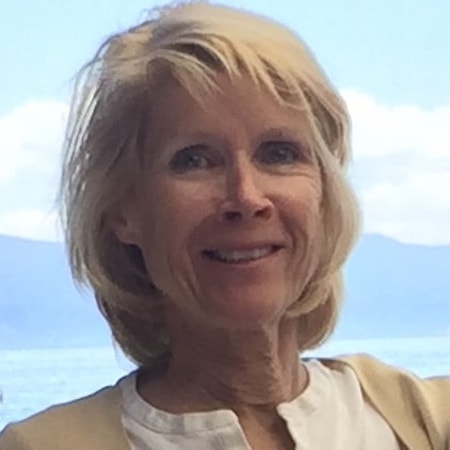
Writer Kendall Wolf is a long-time consultant in the themed entertainment industry. She has worked with designers, producers, and fabricators to help developers create unique and successful projects around the world. In 2017, she introduced Merlin Entertainments to a development group in Sichuan province for the first Legoland park in China. Kendall continues to consult for the developer to open more themed resorts in China.