


First Look at “Africa Earth’s Wild Home” National Geographic’s continent-sized series
“Africa Earth’s Wild Home” is the launch of one of National Geographic’s most ambitious series. The seven-part series will cover our planet continent-by-continent, documenting the wildlife and landscapes as well as the people fighting to save them.
Behind the scenes of “Africa Earth’s Wild Home”
National Geographic’s “Africa Earth’s Wild Home” was filmed over a four year period that included over 100 expeditions to 33 African countries across the continent. Gavin Boyland’s an award-winning filmmaker whose previous credits include the wildlife documentary series “Big Cats”, “Primates”, and filming mountain gorillas with Sigourney Weaver.
Boyland used his undergraduate anthropology degree to garner a position at BBC studios’ prestigious Natural History Unit, home of Sir David Attenborough, and now serves as creative lead for this new behemoth “Earth’s Wild Home” franchise.
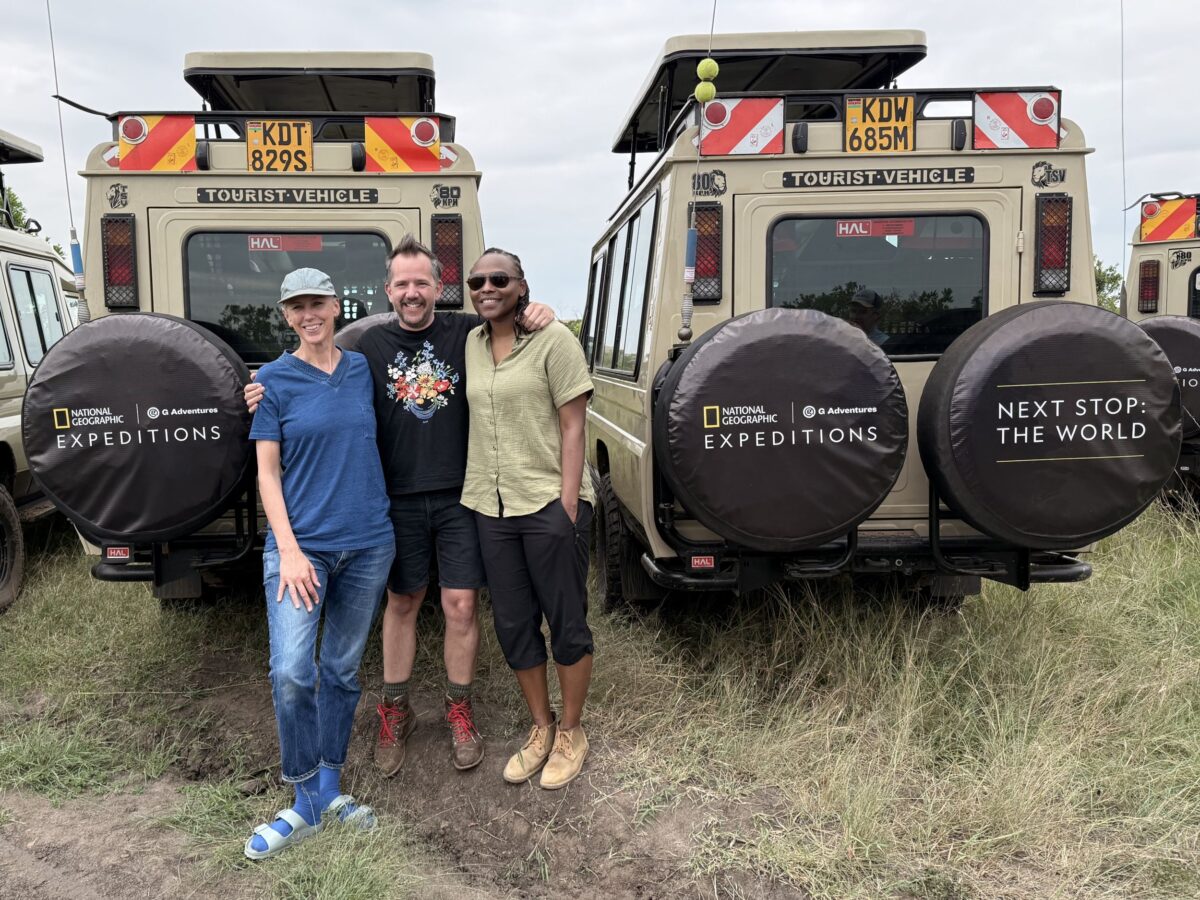
Photo by Dave Parfitt.
This first continental series reveals new species and never-before-documented behaviors of African animals, and is narrated by Oscar-nominated and BAFTA-award winning actress Wunmi Mosaku (Sinners). Africa Earth’s Wild Home debuts on National Geographic October 2 and streams the next day on Disney+ and Hulu.
Earlier this year, I traveled with National Geographic Expeditions to Kenya where we were accompanied by Gavin Boyland, showrunner for the series, to learn more about the production. If you’re the type who loves Animal Kingdom’s Kilimanjaro Safaris, then you will really enjoy this new show.
Wildlife highlights, from flamingos to underwater hippos
Africa Earth’s Wild Home creates a portrait of life across the vast continent. Boyland said they chose Africa as the first continent to highlight because it contains such a diverse array of biomes.
During our trip to Kenya, Boyland shared that “Episode 1: Welcome to Africa” contained a number of filming sites in that country. On our drive from Nairobi to Lake Nakuru, we passed Lake Elmenteita, a UNESCO World Heritage Site known for its vast populations of flamingos. During this first episode, we were introduced to a hungry, lone hyena attempting to catch just one flamingo for his dinner.
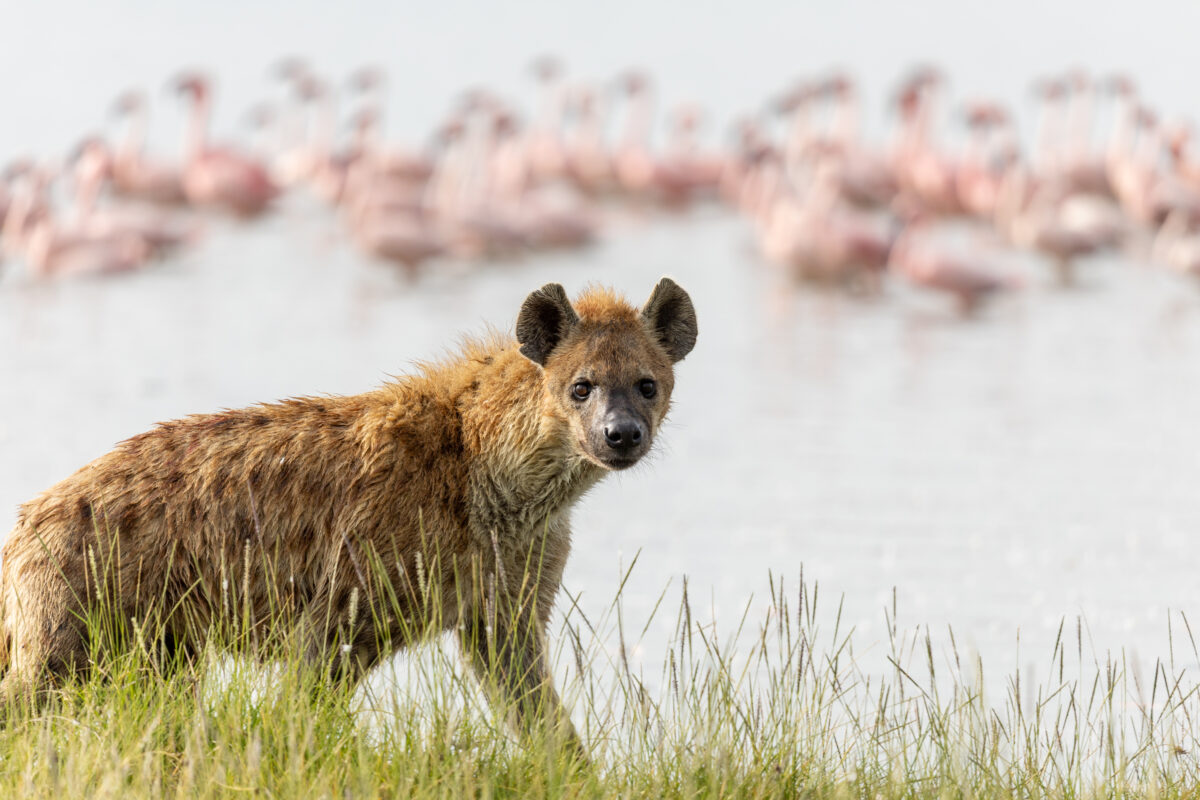
Courtesy of National Geographic/Alicia Russo
Our Kenya safari also included a “bush breakfast” next to a river filled with bathing hippopotami, but we certainly did not have a view like that shot in the television series. One of the technological firsts employed was underwater “hippo cams” built exclusively for the Kenyan shoot in Tsavo National Park.
Also shown in the first episode, Mzima Springs is a series of pools filled with volcanic-filtered water in Tsavo West. Here, the “hippo cams” were used to capture high-resolution underwater images of hippos swimming in Mzima Springs, crystal-clear volcanically filtered water in Tsavo West National Park.
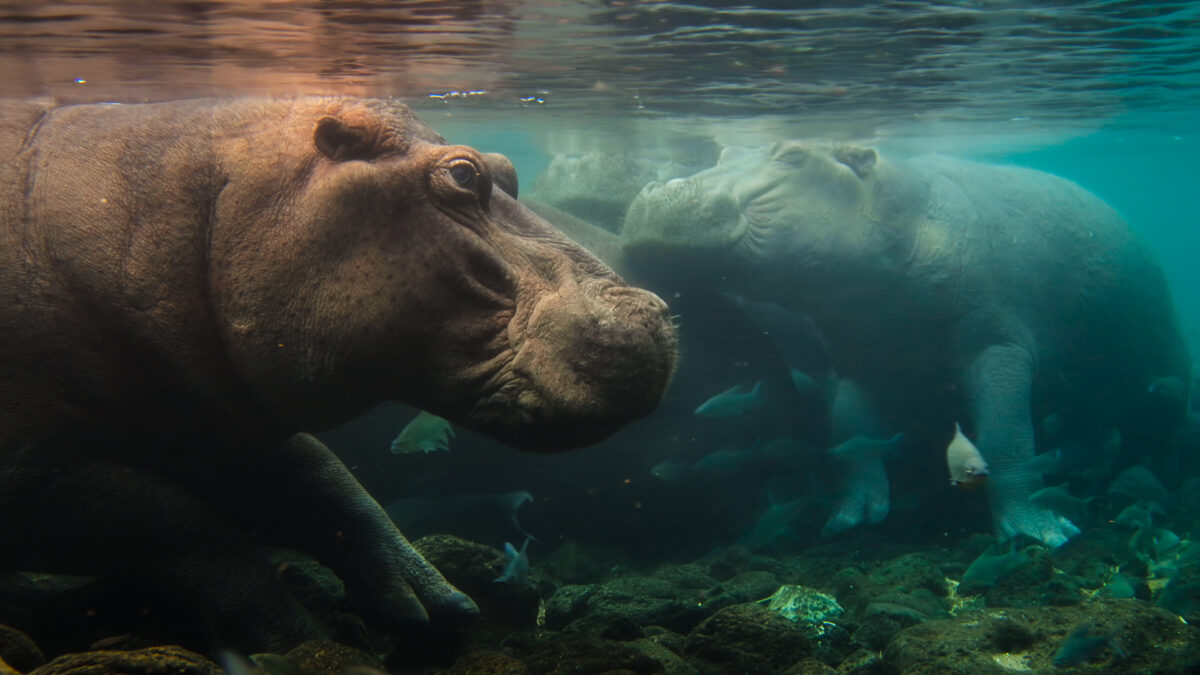
Courtesy of National Geographic
However, the scenes in the episode that captured our attention the most were those that included the elusive black rain frog, filmed for TV for the first time. This grumpy, faced amphibian resembles a tiny avocado, and has a surprisingly loud alarm call. That call is put to the test when our black rain frog hero meets a potential partner.
Courtesy of National Geographic
Conservation and Africa’s wild future
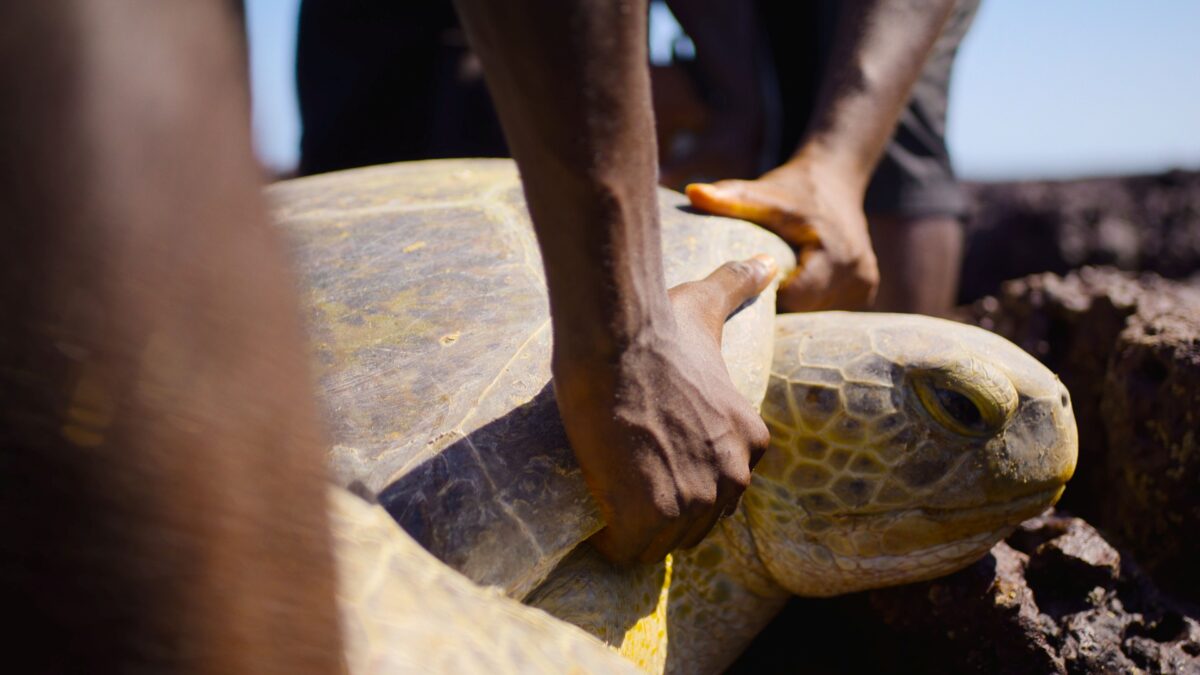
Africa Earth’s Wild Home is a seven-part event series that highlights the work of conservationists and researchers. The concluding episode, “Africa’s Wild Future”, features African conservation leaders, community-led initiatives, and researchers striving to preserve this spectacular ecosystem.
Courteney Monroe, president of National Geographic, said, “[the series] shines a light on the National Geographic Explorers, scientists, and conservationists whose groundbreaking work continues to deepen our understanding of Africa and help safeguard its wild future.”
Follow us:
No matter where you want to go, our trusted partner MEI-Travel will handle the planning so you can focus on the memories. They offer free vacation-planning services and have nearly 20 years of experience creating memorable vacations. Visit MEI-Travel for a fee-free, no-obligation quote today.