


DOJ lawsuit against SeaWorld could reshape theme park accessibility policies
The U.S. Department of Justice has filed a lawsuit against United Parks & Resorts, the parent company of SeaWorld and Busch Gardens, alleging that a policy restricting certain mobility devices violates federal disability law.
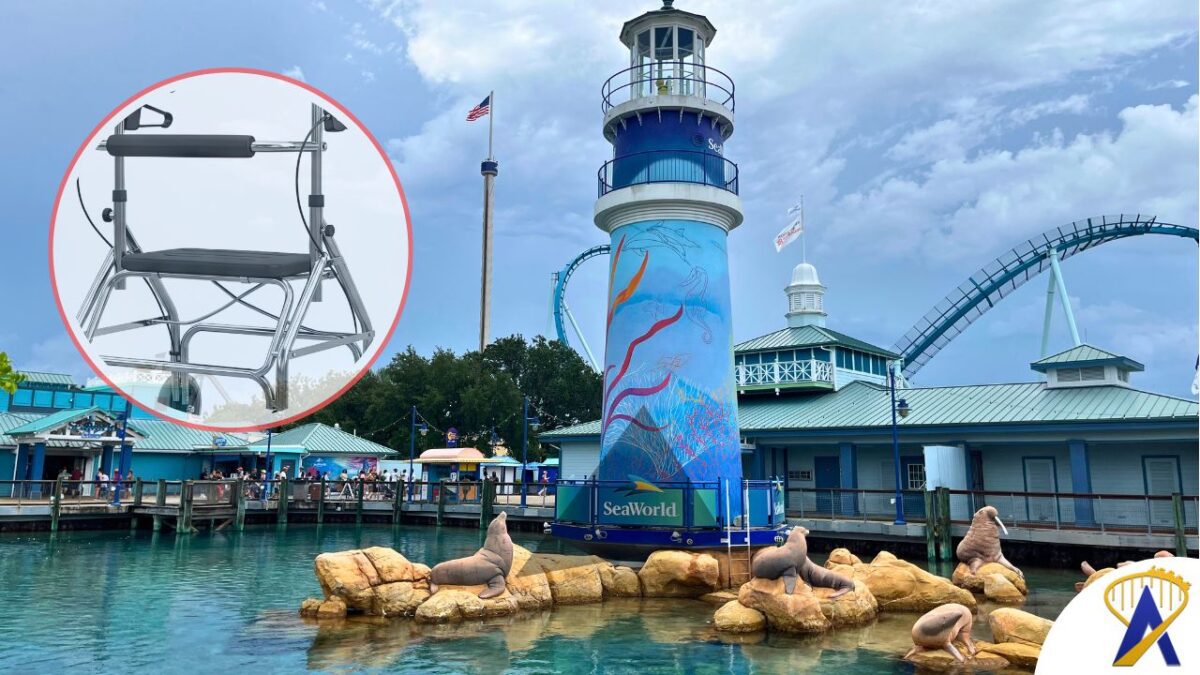
While the case centers on SeaWorld Orlando, its implications could extend far beyond a single park—potentially influencing how theme parks across the industry approach accessibility, safety, and guest experience.
DOJ challenges SeaWorld’s walker policy
According to the complaint, the DOJ alleges that SeaWorld parks have prohibited the use of rollator walkers with built-in seats, a commonly used mobility aid for individuals with disabilities. These devices, which combine stability support with a place to rest, are distinct from standard walkers and are often essential for guests who cannot stand for extended periods.
The DOJ argues that banning these devices may violate Title III of the Americans with Disabilities Act (ADA), which requires public accommodations—including theme parks—to provide equal access to individuals with disabilities. The lawsuit seeks a jury trial in Orlando, policy changes, and damages for affected guests.
This legal action follows a federal investigation launched in late 2025 after complaints from guests who said they were unable to enter or navigate the parks using their prescribed mobility devices.
This comes at a time when United Parks & Resorts is also in a legal dispute with Sesame Street’s parent company.
What the policy states
SeaWorld’s policy, as described on their website, permits:
- Standard walkers without seats
- Personal manual wheelchairs
- Paid rentals such as electric convenience vehicles (ECVs)
However, rollators with seats are not allowed, which is the core issue in the lawsuit.
For many users, the distinction is not minor. A rollator’s seat provides critical rest during long park days. The DOJ contends that requiring guests to use alternatives may not meet ADA standards if those alternatives are not equally effective or impose additional burdens.
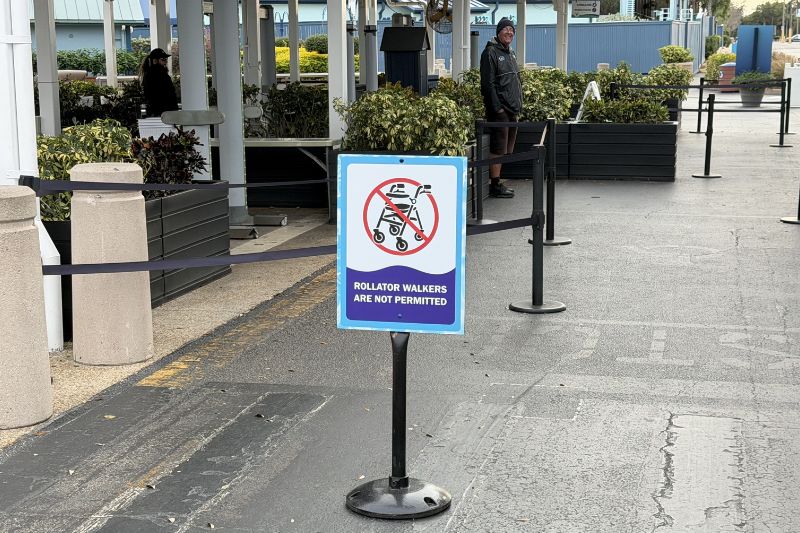
photo by Matt Roseboom
SeaWorld cites safety concerns
United Parks & Resorts has defended the policy, stating it was implemented due to safety concerns and instances of misuse. The company has indicated that some rollators were being used in ways inconsistent with manufacturer guidelines, including functioning as wheelchairs in crowded environments.
SeaWorld maintains that it offers alternative accommodations at no cost and that guest safety remains the top priority. However, the company has not publicly detailed the number or severity of incidents that led to the restriction.
A broader test case for theme parks
While the lawsuit is specific to SeaWorld, the outcome could help define how far theme parks can go in restricting mobility devices.
At the center of the case is a fundamental tension:
- Theme parks aim to standardize operations for safety and efficiency
- ADA requirements emphasize individualized access and non-discrimination
If the court determines that SeaWorld’s policy violates the ADA, parks may need to:
- Reevaluate restrictions on specific mobility devices
- Provide more flexible, case-by-case accommodations
- Reassess whether alternative options truly offer equivalent access
Conversely, a ruling in favor of SeaWorld could reinforce parks’ ability to implement device-specific restrictions when tied to documented safety concerns.
What guests should know
As of now, SeaWorld’s policy regarding rollators remains in place while the case proceeds through federal court. Guests who rely on mobility devices may want to review the current park accessibility guidelines before visiting and understand available alternatives and accommodations.
The legal process could take months or longer, and any policy changes would likely come as part of a settlement or court ruling.
The bigger picture
For the attractions industry, this case highlights the ongoing challenge of balancing inclusive access with safe, efficient operations in environments designed for millions of visitors each year.
As the lawsuit moves forward, its outcome could help set expectations for how theme parks nationwide define accessibility, potentially reshaping policies that impact the guest experience.
More Attractions Magazine stories:
No matter where you want to go, our trusted partner MEI-Travel will handle the planning so you can focus on the memories. They offer free vacation-planning services and have nearly 20 years of experience creating memorable vacations. Visit MEI-Travel for a fee-free, no-obligation quote today.
Follow us: