


AI, smaller parks, and rising costs: the future of attractions according to executives
Executives from Universal Destinations & Experiences, Walt Disney Imagineering, Lionsgate, Herschend Family Entertainment, and Falcon’s Beyond took the stage at the Themed Entertainment Association INSPIRE panel to break down what’s actually shaping the future of theme parks and attractions, and why the industry may be shifting in more ways than guests realize.
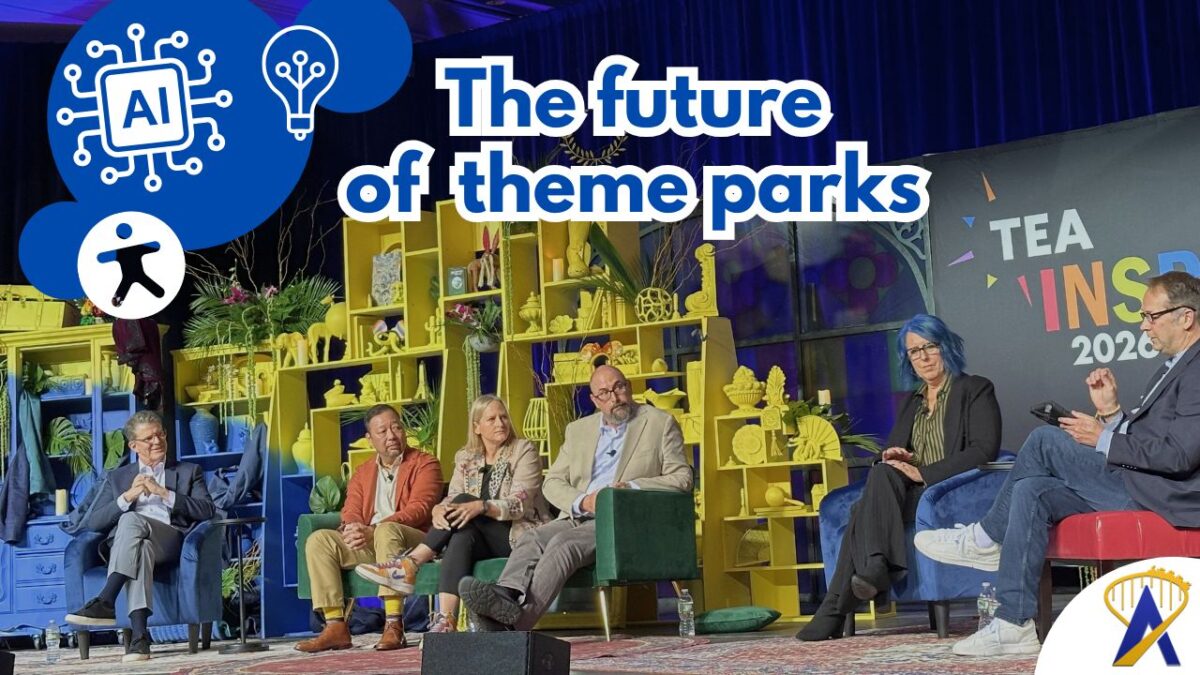
Twenty years ago, I sat in a college classroom and heard from Disney executives, Universal executives, and other theme park industry leaders. I was inspired then, and I am inspired now. This week, I attended the Themed Entertainment Association INSPIRE “State of the Industry” panel held in Orlando, Florida, and the spirit of my younger self felt reignited.
The theme park and attractions industry is in the middle of one of its most challenging chapters. And yet, those who pull together and rise to the challenge may find success on the other side.
From artificial intelligence to rising costs and changing guest expectations, the conversation pointed to a future where theme parks may look and feel different.
Insights from theme park executives: five ways theme parks are evolving
The panel brought together key voices shaping the future of theme parks. These are the leaders behind the parks, attractions, and experiences fans visit every year, from major destination resorts to emerging immersive concepts.
Hearing directly from them offers a rare look at not just what’s being built next, but why, and how those decisions could shape everything from the rides you experience to the overall feel of your next visit.
Seated left to right on stage:
- Page Thompson – President, New Ventures, Universal Destinations & Experiences
- Cecil Magpuri – Founder, Falcon’s Beyond
- Jenefer Brown – President, Global Products & Experiences, Lionsgate
- Andy Westfall – Senior Director of Strategic Planning and Development, Herschend Creative Studios
- Ali Rubinstein – SVP Executive Global Management – Creative Development, Walt Disney Imagineering
- Hosted by Shawn McCoy – Senior Vice President & Creative Strategy, Imagine
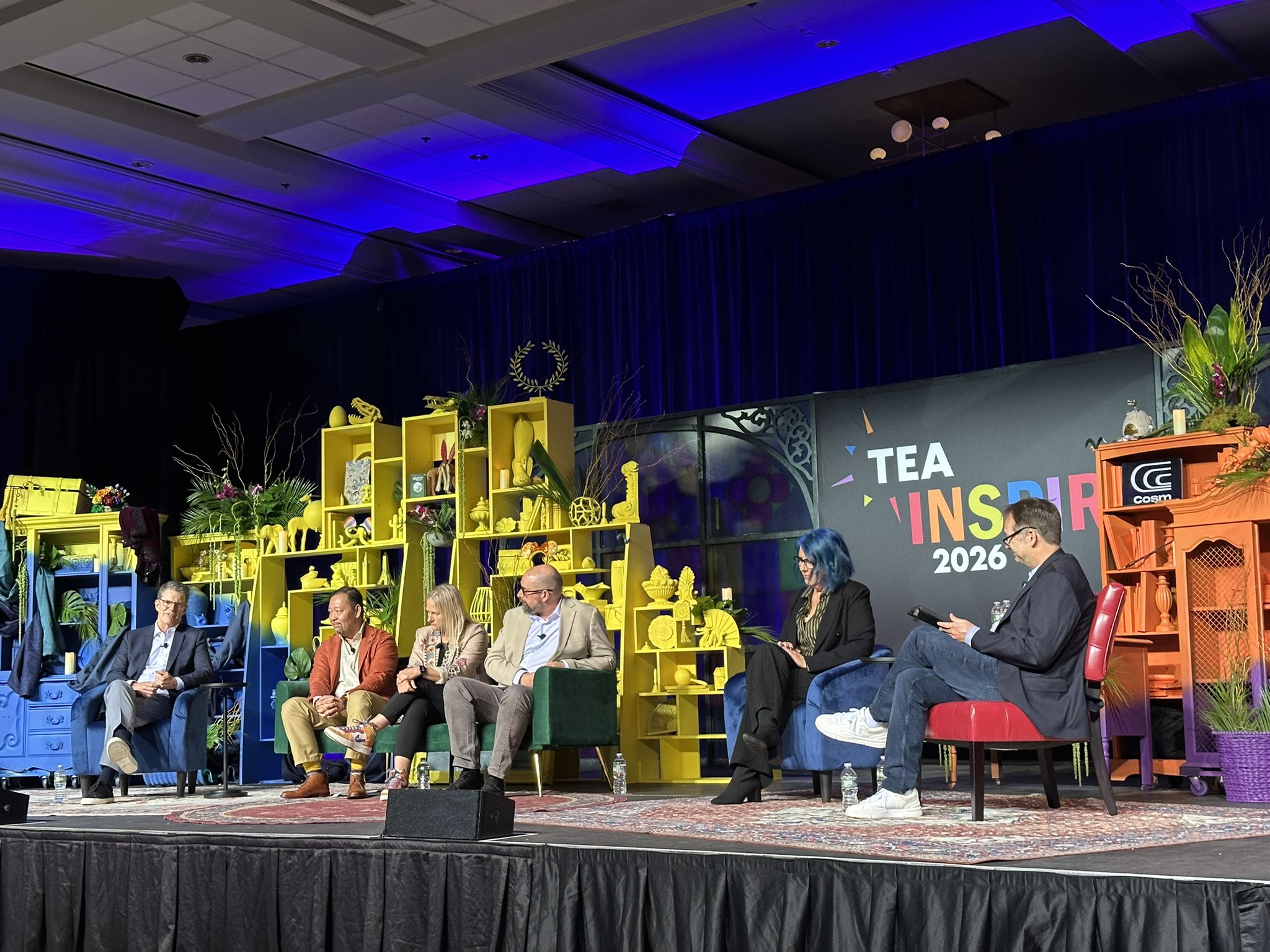
Photo by Dani Meyering
1. More personal and more local
One of the biggest shifts discussed was the move beyond massive destination parks. While global expansion continues, panelists emphasized the growing opportunity for smaller, more localized experiences that still deliver high-quality storytelling. Jenefer Brown noted that not every experience needs to exist at the scale of a traditional theme park to be meaningful.
Page Thompson pointed to smaller-scale elements, like character-driven moments in Universal’s Dark Universe, with the Igor character as an example of how immersion doesn’t always require massive show buildings or large ride systems.

Courtesy of Universal
Instead, parks are investing in details that guests can stumble upon, creating experiences that feel more organic and interactive. Even as parks grow in scale, Ali Rubinstein, SVP with Walt Disney Imagineering, says smaller moments are becoming just as important, “The personal, intimate piece of it… is really where the opportunity is.”
For visitors, some of the most memorable moments can come from headline attractions, but from the spaces in between.
2. Parks are thinking more about younger kids and accessibility
Designing for a broader range of guests is also becoming a priority. Page Thompson shared that Universal’s upcoming Universal Kids Resort is being built specifically for children ages 3 to 8, with everything scaled to younger visitors. The park is also expected to be autism certified, with a significant portion of staff trained in autism awareness.
At the same time, panelists stressed the importance of listening to guest feedback. Jenefer Brown pointed to ‘The Hunger Games: On Stage’ as an example where accessibility improvements were driven by audience response.
“We thought we did everything right… and then we learned we had some accessibility issues. We invited those guests back, listened, and made changes.”
Jenefer Brown – President, Global Products & Experiences, Lionsgate
We’ve seen accessibility concerns about Walt Disney World as well as SeaWorld Orlando in recent months.
Related post: SeaWorld parks face lawsuit from DOJ.

Courtesy of Universal
3. Rising costs are shaping what gets built and implemented
Economic realities are also playing a larger role in how parks evolve.
Panelists acknowledged that inflation, travel costs, and broader economic pressures are influencing how guests make decisions about visiting theme parks. In response, companies are thinking more carefully about value, both in what they build and how they design experiences.
That doesn’t always mean fewer experiences, but it may mean different ones, with a mix of large-scale attractions and smaller, more flexible offerings.
At the panel, Westfall referred to NightFlight (Expedition) as a “milestone project” for the company, which aligns with how Dollywood is evolving beyond a traditional regional park. He also grounded that in reality with his earlier point that “not everyone works with Universal and Disney budgets,” reinforcing that projects like NightFlight are about maximizing impact through storytelling and creative execution, not just scale.
4. AI is being used behind the scenes, but people still matter most
Artificial intelligence was one of the most discussed topics during the panel, but the message from executives was consistent.
Ali Rubinstein shared that at Walt Disney Imagineering, AI is being used to improve efficiency across workflows, not replace creative roles. The goal is to streamline processes and give teams more time to focus on creative work.
At the same time, panelists emphasized that technology will not replace the human element that defines themed entertainment. Brown highlighted the lasting appeal of live performance, while Thompson noted that there is no substitute for human interaction.
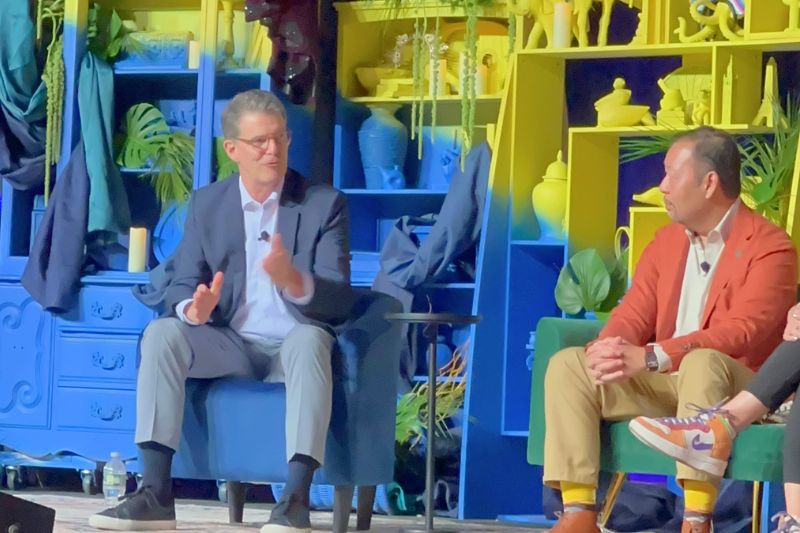
Photo by Dani Meyering
“The human aspect of what we do is what draws people in.
There’s no substitute for human interaction.”Page Thompson – President, New Ventures, Universal Destinations & Experiences
For guests, that means technology may enhance experiences behind the scenes, but the moments that stand out are driven by people.
View a few clips of the panelists discussing their use of artificial intelligence in the video below.
Related article: The Walt Disney Company executives reinforced similar themes during the company’s latest earnings call, discussing plans to use AI across vacation planning, Disney+, staffing forecasts, and operational efficiency throughout its parks and experiences business.
5. Live entertainment and festivals are a bigger part of the experience
Beyond rides and attractions, live entertainment is taking on a larger role. Andy Westfall – Senior Director of Strategic Planning and Development, Herschend Creative Studios highlighted his desire for live shows, festivals, and special activations to be a focus for themed entertainment.
Cecil Magpuri reinforced that themed entertainment is no longer confined to traditional parks, with experiences increasingly designed to live across media, destinations, and formats.
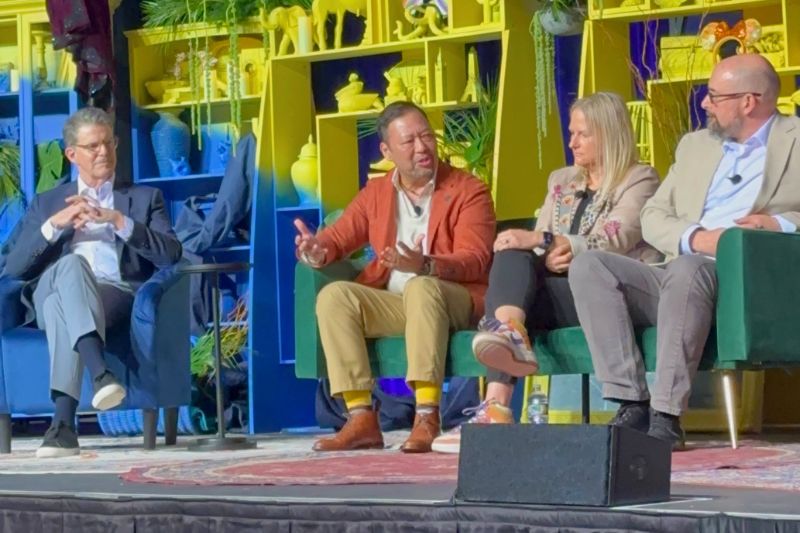
Poto by Dani Meyering
For visitors, that could mean more reasons to come back, even if they have already experienced the core attractions, as well as exciting enhancements to music festivals and other events.
The future of theme parks may be more flexible than ever
Taken together, the discussion pointed to an industry that is expanding in multiple directions at once. Large-scale resorts, smaller local experiences, advanced technology, and human-driven storytelling are all part of the equation. Theme parks are becoming more flexible in how they deliver experiences.
For fans, that could mean more choice in how, when, and where they engage with the parks they love.
More Attractions Magazine stories
Follow us:
No matter where you want to go, our trusted partner MEI-Travel will handle the planning so you can focus on the memories. They offer free vacation-planning services and have nearly 20 years of experience creating memorable vacations. Visit MEI-Travel for a fee-free, no-obligation quote today.