


Universal cites competitors’ strategy and Epic Universe ride challenges as attendance falls
Universal executives acknowledged challenges with ride capacity and technology at Epic Universe, along with a slower response to competitors’ marketing strategies, during Comcast’s third-quarter earnings call Thursday, Oct. 22, 2026. The comments came as Comcast reported a 4.4% decline in revenue and a 17.1% drop in adjusted EBITDA for its global theme parks division.
Comcast President Mike Cavanagh said that Epic Universe was designed to push the boundaries of theme park technology, introducing ambitious attractions and immersive worlds to Universal Orlando Resort. But operating a park of that scale and complexity has brought challenges, including ride capacity and technology issues that Comcast executives acknowledged Thursday.
Meanwhile, Universal faces another challenge beyond its park gates: competitors, including Universal’s primary Orlando rival, Walt Disney World, that moved faster to respond to softer demand with changes to their marketing strategies.
Together, those pressures are shaping the company’s outlook as it works to improve operations and strengthen attendance heading into 2027.

Photo by Matt Roseboom
Epic Universe ride challenges and competitors’ response to softer demand
Ride throughput determines how many guests an attraction can accommodate within a given period. At a park built around technologically complex attractions, lower-than-expected capacity can affect wait times and the number of experiences guests can enjoy during their visit. Cavanagh’s acknowledgment raises questions about how quickly Universal can improve the operations of rides at Epic Universe, although he did not provide specific capacity figures during his prepared remarks.

Photo by bioreconstruct
On the competitive side, Cavanagh’s comments suggest Universal was slower to adjust its approach as demand softened. The company has since increased promotional activity, which Comcast identified in its earnings report as a contributing factor to lower admissions revenue.
Cavanagh also pointed to leadership changes, including the addition of Luke Bondar, previously with United Airlines, as Universal works to strengthen its commercial strategy.
Universal Japan faces pressure as Hollywood looks ahead
Universal Orlando was not the only destination facing challenges during the third quarter. Comcast Chief Financial Officer Jason Armstrong also identified continued weakness in Japan, citing reduced travel from China as a factor affecting Universal Studios Japan.
He indicated that the company is beginning to move past the period of difficult year-over-year comparisons in that market.
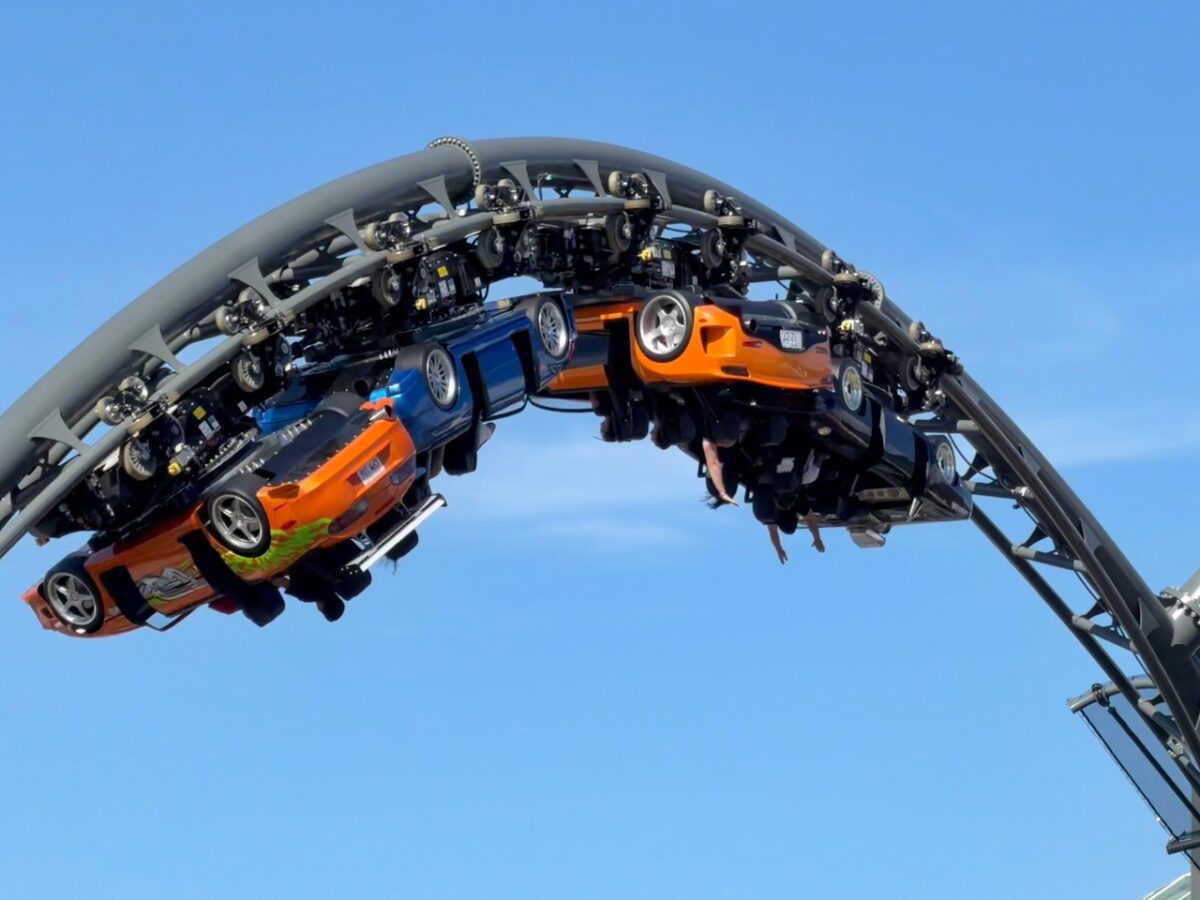
Photo by Matt Roseboom
Looking ahead, Armstrong pointed to Fast & Furious: Hollywood Drift, the new roller coaster at Universal Studios Hollywood, as a potential boost for that park. The attraction opened on Sept. 16, 2026, at Universal Studios Hollywood, following technical rehearsals that began in late July.
Universal looks to new marketing strategies and attractions for growth
Cavanagh outlined several steps Universal is taking to strengthen attendance, including new marketing leadership, expanded promotional offers and three-park ticket packages at Universal Orlando Resort. He also emphasized improvements to Epic Universe’s operational capacity and reliability, including training employees to load and unload attractions more efficiently.
Despite these efforts, Cavanagh expects Orlando’s softer performance to continue into early 2027.
Looking ahead, Cavanagh expressed enthusiasm for Fast & Furious: Hollywood Drift at Universal Studios Hollywood, highlighting exceptionally strong guest satisfaction with the roller coaster.
He pointed to the attraction as an example of how major investments can help drive attendance and guest spending over time, while also referencing plans to bring a version of the coaster to Universal Orlando. The company views new attractions and continued investment in its existing parks as important drivers of long-term growth.
Comcast’s connectivity business dominates earnings call
While Universal’s theme parks faced questions about attendance and operational performance, much of Comcast’s third-quarter earnings call focused on its broadband, wireless and connectivity businesses. Analysts also devoted considerable attention to Peacock, advertising and streaming bundles, with the first five questions covering subjects outside the theme park division.
The emphasis comes as Comcast prepares to separate its connectivity and media businesses into two publicly traded companies, a process executives said remains on track for completion around the middle of 2027. The separation is expected to give NBCUniversal’s entertainment and theme park operations a more distinct financial identity, potentially bringing greater attention to the performance of Universal’s parks during future earnings calls.
The contrast with Disney’s earnings calls is notable. Although Disney also operates a sprawling entertainment business, its Experiences division typically receives substantial attention from executives and analysts.
During Comcast’s calls, Universal’s theme parks often occupy a comparatively small portion of the discussion. Comcast acknowledged continued pressure in Orlando and conceded that competitors had been quicker to respond to softer demand.
More Attractions Magazine stories
Follow us:
Ready for adventure? Our trusted partner Universal Fan Travel will handle the planning so you can focus on the fun. They offer free vacation-planning services and have nearly 20 years of experience creating epic vacations. Visit Universal Fan Travel for a fee-free, no-obligation quote today.