



Permanent daylight saving time could create challenges for theme parks
If Congress ultimately makes permanent daylight saving time a reality, Americans would no longer “spring forward” in March or “fall back” each November. The proposal cleared the U.S. House of Representatives this week with bipartisan support and now heads to the Senate, where its future remains uncertain.
For many people, the biggest appeal is simple: no more changing the clocks twice a year. For the theme park industry, however, the change could create a unique operational puzzle—particularly during the busy holiday season.
From mid-November through early January, some of the country’s biggest seasonal events are designed around darkness. How permanent daylight saving time impacts theme parks isn’t reason enough to vote against the change, but it is something interesting to consider, alongside the many other factors.
How holiday events could be affected
The holiday season at Walt Disney World boasts Mickey’s Very Merry Christmas Party, Disney Jollywood Nights, and the Epcot International Festival of the Holidays, which features nighttime entertainment, including fireworks, projection shows, lighting displays and festive performances. Disneyland Resort similarly transforms after sunset with holiday projections, seasonal entertainment, and illuminated décor.
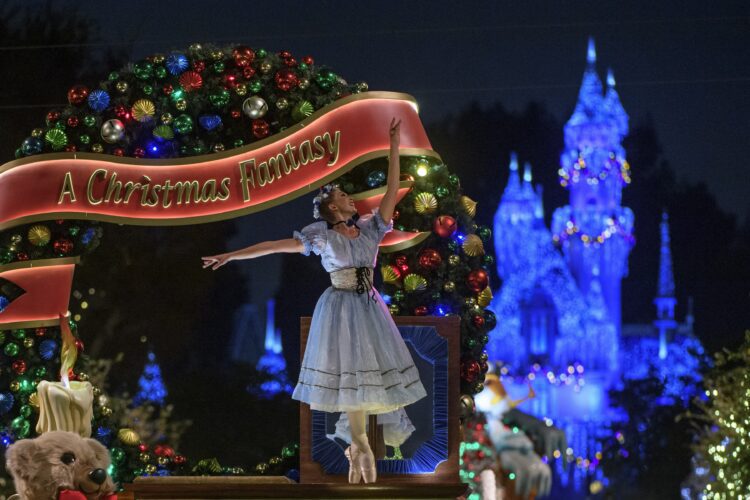
Photo courtesy of Disneyland Resort
Consider a regular winter day at Epcot with the park scheduled to close at 9 p.m. Under the current system, sunset in Orlando falls around 5:30 p.m. through much of November and December, giving guests roughly three and a half hours of darkness before closing.
Under permanent daylight saving time, sunset would move to approximately 6:30 p.m. That would leave only about two and a half hours after sunset during the same park day.
That lost hour of darkness means less time to enjoy illuminated décor, which is a central part of the evening experience.
Universal Orlando Resort and Universal Studios Hollywood also lean heavily on evening experiences during the holidays. Grinchmas, Christmas in The Wizarding World of Harry Potter, Hogwarts castle projections and the Macy’s Holiday Parade all become more visually dramatic after dark.
SeaWorld’s three U.S. parks—Orlando, San Antonio, and San Diego—host Christmas Celebration events featuring millions of lights, holiday shows, seasonal fireworks on select nights, and illuminated pathways.
Regional parks would likely face similar considerations. Busch Gardens Tampa Bay and Busch Gardens Williamsburg each host Christmas Town, while many Six Flags parks present Holiday in the Park and former Cedar Fair parks present WinterFest or other seasonal celebrations centered on lights, nighttime rides, and holiday entertainment.
Would after-hours events start later? Would guests get less evening darkness to enjoy the holiday lights?
Early mornings could look very different
The other side of permanent daylight saving time would be felt long before the first nighttime spectacular begins.
Many major theme parks encourage guests to arrive well before official opening to maximize their time. And select hotel guests get to take advantage of early admission programs.
At Walt Disney World, hotel guests receive Early Theme Park Entry, allowing them to enter all four parks 30 minutes before the posted opening time. Universal Orlando Resort offers Early Park Admission for eligible hotel guests and select annual passholders, often allowing access up to an hour before the general public.
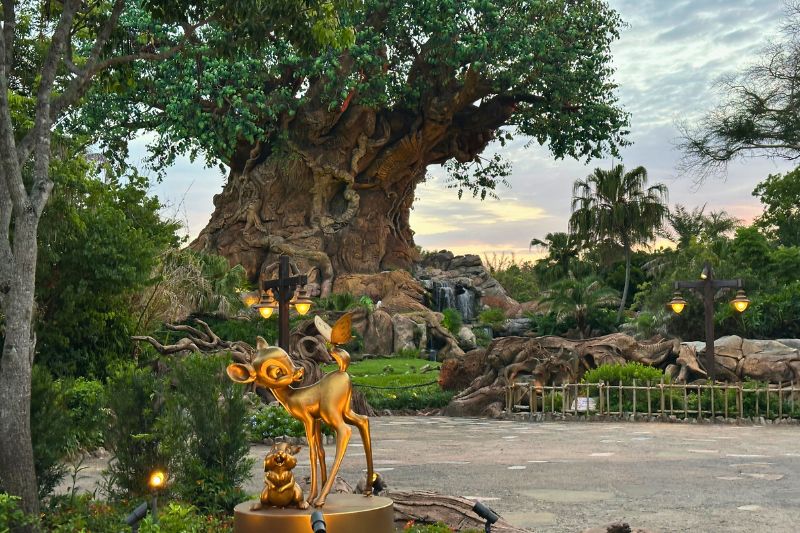
Photo by Dani Meyering
Those early mornings are already a race to the front gates. During fall and winter, guests frequently arrive at parking plazas, transportation hubs, and security checkpoints as early to maximize their day. Under permanent daylight saving time, many of those winter arrivals would instead take place in complete darkness. And the parks would open for early admission before sunrise in some cases
The same would be true beyond traditional theme parks. Discovery Cove welcomes guests beginning at 7 a.m. for check-in, while parks such as SeaWorld Orlando, Busch Gardens Tampa Bay, and others routinely see guests lining up before opening on busy weekends and during holiday events. Even if the parks themselves don’t open until 9 or 10 a.m., parking lots, security screening, and front gates often become active much earlier.
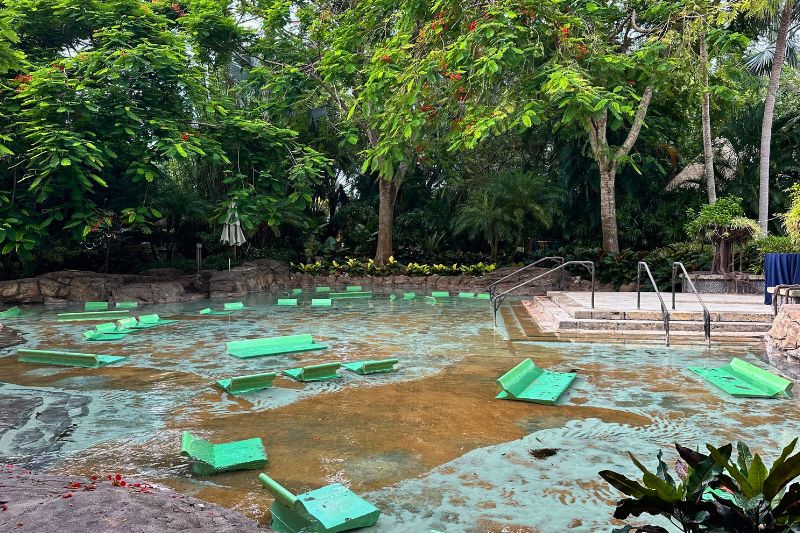
Photo by Dani Meyering
Natural regulation
Sleep experts have long emphasized the importance of morning sunlight in helping regulate the body’s circadian rhythm. Permanent daylight saving time would shift more daylight into the evening while delaying sunrise during the winter months, reducing natural morning light exposure and potentially making it harder for children—and adults—to wake naturally and maintain consistent sleep schedules.
For theme park guests trying to fit as much as possible into a vacation, the result could be longer, darker mornings paired with later evenings, stretching an already demanding park day from both ends. While many visitors would likely welcome an extra hour of daylight after work, others may find that the tradeoff comes at the expense of sleep.
There could also be benefits
Longer daylight in the evening isn’t necessarily a disadvantage.
Many families might welcome an extra hour of daylight to enjoy outdoor attractions before temperatures drop. Guests arriving after work could have more daylight for rides, shopping, and dining before transitioning into nighttime entertainment.
The hospitality industry has historically viewed longer evening daylight as a potential economic benefit because visitors often spend more time outdoors, at restaurants, and in entertainment districts. Supporters of permanent daylight saving time also argue that eliminating the twice-yearly clock changes could reduce sleep disruption while encouraging evening recreation.
We welcome your thoughts! Comment below or share your opinions on our social media pages. Whatever decision is made, let’s all wish for a wonderful fall and winter season in the places we love to visit.
More Attractions Magazine stories
Follow us:
No matter where you want to go, our trusted partner MEI-Travel will handle the planning so you can focus on the memories. They offer free vacation-planning services and have nearly 20 years of experience creating memorable vacations. Visit MEI-Travel for a fee-free, no-obligation quote today.

No clock changes twice a year? Yes, please. Fewer accidents and missed appointments. I like being in the park at night so I would love to see dawn in the park if it was an hour later. Then back to the hotel pool or water park in the afternoon.